☰
Norway Residential
Share this article:
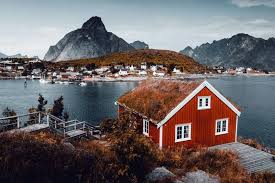
Norwegian residential properties emphasize energy efficiency, natural light, and a strong connection to nature, featuring sustainable designs, extensive use of timber, and high-quality insulation. Housing types include detached houses (enebolig), townhouses (rekkehus), and apartments (leilighet), often built to facilitate hygge (coziness) with open-plan layouts and large windows.
Key Residential Features
- Materials & Style: Wood is the dominant construction material, often used for both structural framing and interior finishes. Modern designs focus on sleek, minimalist aesthetics, while traditional homes are still common.
- Energy Efficiency: Many homes are designed as "passive houses" (Passivhus) with high-performance insulation, triple-glazed windows, and electric or liquid radiant floor heating to combat the cold.
- Structure: Houses often feature steeply sloped roofs to manage snow loads, with some featuring green, turf-covered roofs. Homes commonly span 2–3 floors.
- Interior Layout: Living rooms are often designed to maximize light, while kitchens are typically functional and frequently connected to dining areas.

Housing Types & Urbanization
- Enebolig (Detached Houses): Most common type, often featuring a private garden.
- Leilighet (Apartments): Highly popular in urban centers like Oslo and Bergen, often with balconies, shared amenities, and close proximity to public transport.
- Rekkehus (Townhouses): Combined privacy and community, usually offering a small garden.
- Hytter (Cabins): A vital part of Norwegian culture, with almost half of households having access to a second home.
Standard of Living
- Indoor Standards: High-quality finishings are standard, with nearly all homes containing modern kitchens and indoor bathrooms (usually with showers).
- Space: While urban apartments can be compact, the average living space per person is high (almost 60 square meters in 2013).
- Outdoor Integration: Residential design prioritizes access to nature and outdoor living.

Contact Our Real Estate Experts
Recent Articles

Mumbai's Luxury Real Estate 2025: Top Trends & Projects Unboxed
February 8, 2025
Your Guide To Greater Noida's Retail Future: Migsun Delta Street
February 6, 2025
Beyond Tourism: The Story of Agra and Vrindavan’s Real Estate
February 4, 2025
Vrindavan's Emerging Real Estate: Here's All You Need to Know
January 31, 2025Frequently Asked Questions